

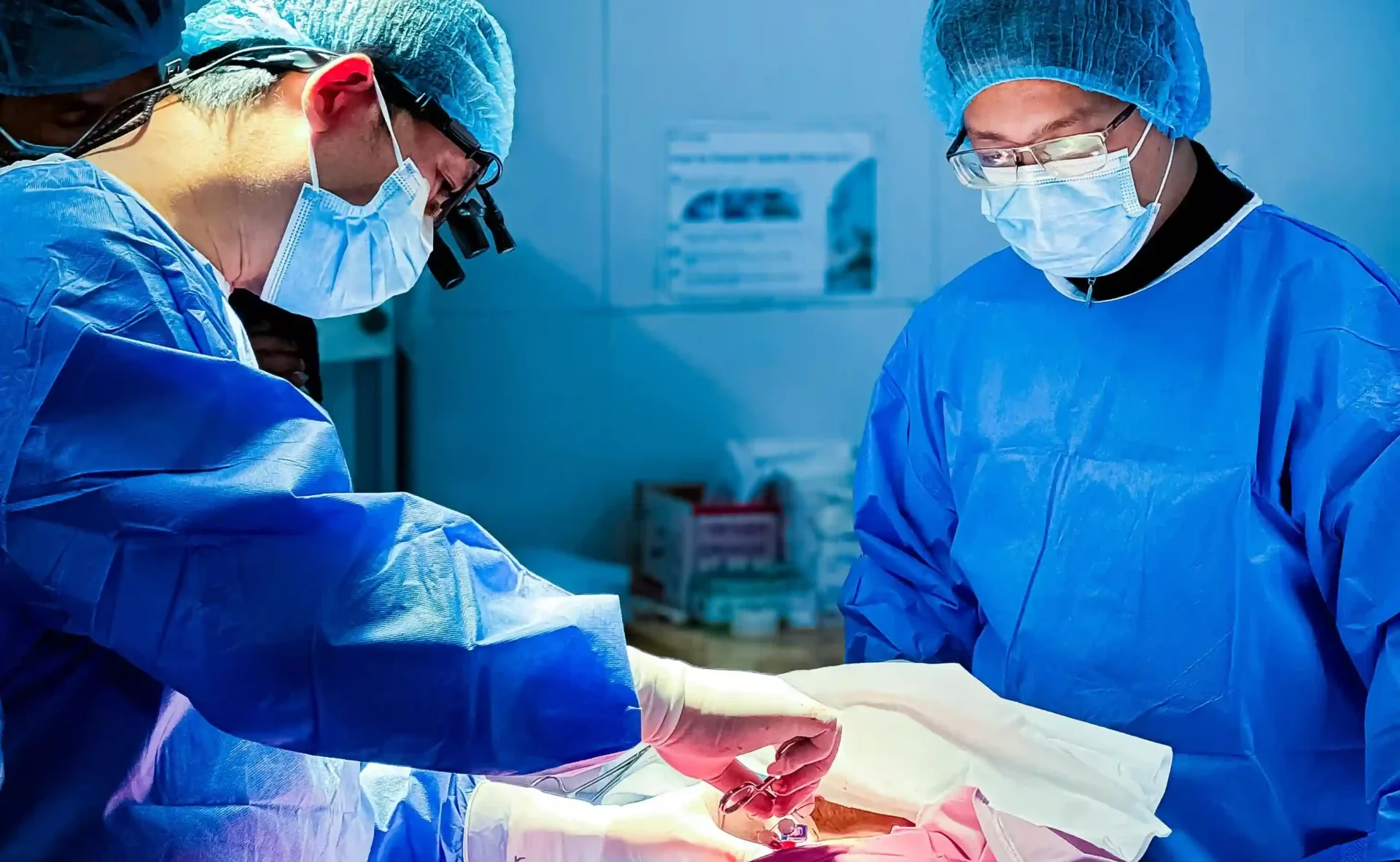
Our knees are amazing joints. They bend, twist, and carry us through every step we take.
To do this smoothly, the bones in the knee are covered with a smooth, rubbery tissue called cartilage.
This cartilage works like a cushion – it prevents friction, absorbs shock, and helps the knee move easily.
But once it’s damaged, the joint can become painful and stiff. The good news is that modern cartilage procedures can now repair or restore this damaged tissue, helping people stay active and avoid early arthritis.
Let’s understand what these procedures are, why they’re done, and how they help bring knees back to normal function.
What Is Knee Cartilage and Why Is It Important?
Your knee has two main types of cartilage:
- Articular cartilage – covers the ends of the thigh bone (femur) and shin bone (tibia).
- Meniscus cartilage – two C-shaped cushions between the bones that act as shock absorbers.
Cartilage doesn’t have its own blood supply, which means it doesn’t heal easily when damaged.
Small injuries may improve with rest, but deeper tears or worn-out cartilage often need surgical help.
Without proper treatment, damaged cartilage can lead to:
- Chronic knee pain
- Swelling and stiffness
- Clicking or catching sensations
- Early osteoarthritis
Causes of Cartilage Damage
- Injury or sports accidents (twisting, falling, or direct hits)
- Repeated strain from running or jumping
- Wear and tear due to aging
- Lack of blood flow or disease (like osteochondritis dissecans)
When cartilage breaks down, bones start rubbing together — causing pain, swelling, and loss of movement.
What Are Cartilage Procedures?
Cartilage procedures are treatments designed to repair, replace, or regenerate the damaged cartilage in the knee.
Depending on how bad the damage is, your doctor may choose one of several methods — from small arthroscopic repairs to advanced regenerative techniques using your own cells.
Types of Cartilage Procedures in the Knee
Here are the most common types, explained simply:
1. Microfracture
This is one of the most common and simplest procedures. The surgeon uses a small tool to make tiny holes (microfractures) in the bone beneath the damaged cartilage. This allows bone marrow cells to come out and form new cartilage-like tissue.
2. Drilling or Abrasion Arthroplasty
In this method, the surgeon drills or scrapes the surface under the damaged cartilage. This stimulates healing by allowing new cartilage cells to grow.
Autologous Chondrocyte Implantation (ACI)
This is an advanced procedure using your own cartilage cells.
In the first step, a few healthy cartilage cells are taken from your knee. These cells are grown in a lab for a few weeks and in a second surgery, they are implanted back into the damaged area.
4. Osteochondral Autograft Transfer (OATS)
Here, healthy cartilage and bone plugs are taken from a non-weight-bearing part of your knee and transplanted to the damaged spot.
- Best for: Localized defects (small to medium size).
- Limitations: Only small areas can be repaired this way.
5. Osteochondral Allograft Transplantation
This is similar to OATS, but instead of using your own tissue, the surgeon uses donor tissue (allograft).
- Best for: Larger or deeper cartilage injuries.
- Limitations: Tissue availability and immune response can be challenges.
6. Matrix-Induced Autologous Chondrocyte Implantation (MACI)
This is a newer, improved version of ACI.
- Your cartilage cells are grown on a special membrane (matrix) in the lab.
- The membrane is then shaped to fit your knee defect and placed inside.
How Do Doctors Decide Which Procedure to Use?
- Size and depth of the cartilage defect
- Age and activity level of the patient
- Location of the damage
- Condition of surrounding bone and ligaments
A younger, active person with a small cartilage tear may do well with microfracture, while someone with a larger or deeper injury might benefit from MACI or allograft transplant. Your orthopedic surgeon will discuss the best option for your specific condition.
Recovery After Cartilage Procedures
Recovery time depends on the type of procedure, but here’s a general idea:
- Hospital stay: Usually 1–2 days (some procedures are day-care).
- Walking: Crutches for 4–6 weeks to avoid pressure on the knee.
- Physiotherapy: Starts soon after surgery to improve movement and muscle strength.
Return to sports/work: 3–6 months for minor repairs, 6–12 months for advanced procedures.
Recovery Tips:
Follow your doctor’s instructions carefully.
- Avoid putting full weight on your knee early.
- Do physiotherapy regularly — it’s key to good results.
- Eat protein-rich foods for tissue healing.
Be patient — cartilage healing takes time, but results are long-lasting.
Cartilage damage in the knee can cause pain and limit daily life, but it doesn’t have to mean the end of an active lifestyle. Cartilage procedures — from simple microfracture to advanced cell-based implants — offer effective and lasting solutions to repair the joint naturally. If you have ongoing knee pain, catching, or swelling that hasn’t improved with rest or therapy, talk to your orthopedic specialist.


