

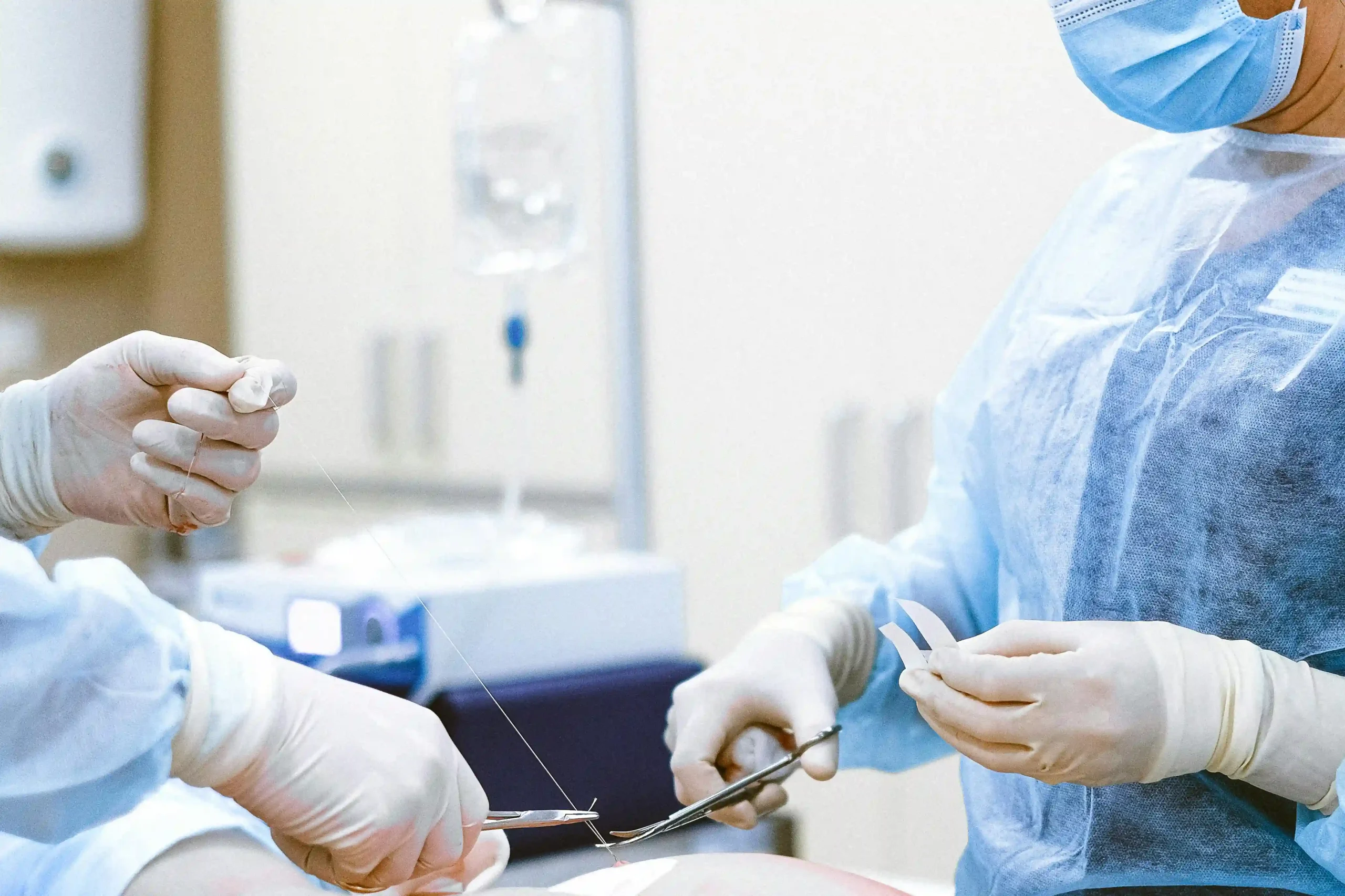
It notably affects the quality of life because of ankle pain and instability. Even walking, standing, sports, and simple movements become uncomfortable. Once conservative treatments such as rest, physiotherapy, or medication are ruled out, ankle arthroscopy is usually recommended as a minimally invasive surgical option.
Arthroscopy enables the orthopaedic surgeon to diagnose and treat a variety of ankle conditions using very small incisions. It is frequently utilized in cases with ligament tears, ankle impingement, and chondral-peripheral (cartilage) damage because it offers quicker recovery times and less pain compared to traditional open surgery.
What is ankle arthroscopy?
Ankle arthroscopy is a minimally invasive procedure that inserts a small camera, known as an arthroscope, into the ankle joint. This tiny camera transmits clear images onto a monitor that enables the surgeon to view the inside of the joint. Small surgical instruments are introduced through small incisions to either repair or remove the damaged tissue.
Because the incisions are small, patients usually experience:
- Less postoperative pain
- Reduced risk of infection
- Faster healing
- Shorter hospital stays
Conditions Treated With Ankle Arthroscopy
1. Ligament Tears
Ligament injuries are common, especially after ankle sprains or sports injuries. Repeated sprains can lead to chronic ankle instability.
- Ankle arthroscopy can help by:
- Assessing ligament damage accurately
- Removing loose tissue or scar tissue
- Assisting with ligament repair or reconstruction when needed
This improves ankle stability and reduces the risk of repeated injuries.
2. Ankle Impingement
Ankle impingement occurs when soft tissue or bone gets trapped between ankle bones during movement. This causes pain, swelling, and restricted motion.
- Anterior impingement (front of the ankle)
- Posterior impingement (back of the ankle)
Arthroscopy allows surgeons to:
- Remove excess bone spurs
- Trim inflamed soft tissue
- Restore smoother ankle movement
3. Chondral Damage (Cartilage Injury)
Cartilage protects the ankle bones and helps them glide smoothly. Injury or wear can lead to cartilage defects, causing pain and stiffness.
With ankle arthroscopy, surgeons can:
- Identify cartilage damage early
- Remove loose cartilage fragments
- Stimulate cartilage healing using microfracture techniques
Early treatment can slow or prevent the progression to arthritis.
The Procedure: What to Expect
Ankle arthroscopy is usually performed under regional or general anesthesia.
During the procedure:
- Small incisions are made around the ankle
- The arthroscope is inserted
- Damaged tissue is repaired or removed
- Incisions are closed with sutures
The surgery typically lasts 30 to 90 minutes, depending on complexity.
Recovery and Rehabilitation
Recovery is generally faster than open surgery but still requires care.
- Short period of rest and elevation
- Use of a brace or boot if advised
- Gradual weight-bearing
- Physiotherapy to restore strength and mobility
Most patients return to daily activities within a few weeks, while sports activities may take a few months.
Benefits of Ankle Arthroscopy
- Minimally invasive approach
- Faster recovery time
- Less postoperative pain
- Improved joint movement
- Reduced scarring
- Accurate diagnosis and treatment
Conclusion
Ankle arthroscopy is a highly effective and minimally invasive solution for treating ligament tears, ankle impingement, and chondral damage. It offers excellent outcomes with less pain, quicker recovery, and improved ankle function. Early diagnosis and proper rehabilitation are key to achieving long-term relief and preventing future ankle problems.
If ankle pain is limiting your lifestyle, consulting an orthopaedic specialist can help determine whether ankle arthroscopy is the right treatment option.
FAQs
Q1. Is ankle arthroscopy painful?
Ans. Most patients experience mild to moderate discomfort, which is manageable with medication.
Q2. How long does it take to recover?
Ans. Basic activities usually resume in 2 to 6 weeks. Full recovery depends on the condition treated.
Q3. Will I need physiotherapy after surgery?
Ans. Yes, physiotherapy is important for restoring strength and mobility.


