

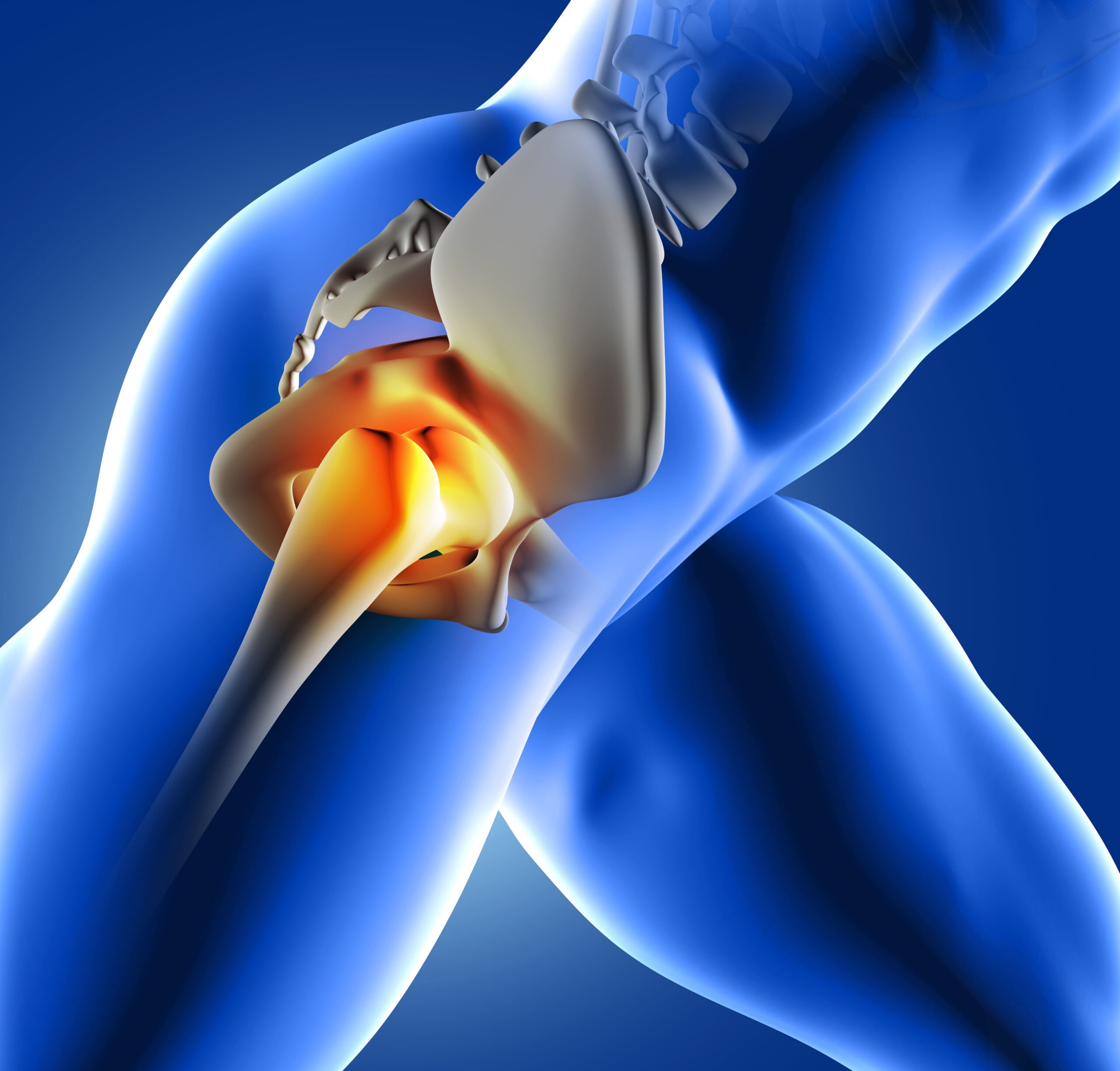
Hip pain can significantly affect mobility, independence, and overall quality of life. When medication, physiotherapy, and lifestyle changes no longer provide relief, hip replacement surgery becomes an effective treatment option. Advances in orthopaedic technology and surgical techniques have made this procedure safer and more successful than ever.
Patients seeking advanced orthopaedic care in Bangalore now have access to modern hip replacement procedures that focus on faster recovery and long-term joint function.
What is Hip Replacement Surgery?
Hip replacement surgery, also called hip arthroplasty, is a procedure in which a damaged hip joint is replaced with an artificial implant. The implant typically consists of a metal or ceramic ball and a durable socket designed to replicate natural hip movement.
Doctors usually recommend hip replacement surgery for conditions such as:
- Osteoarthritis
- Rheumatoid arthritis
- Hip fractures
- Avascular necrosis
- Joint degeneration due to aging
The goal of surgery is to relieve pain, restore mobility, and improve daily functioning.
Sakra IKOC Hospital provide comprehensive joint replacement care supported by experienced orthopaedic surgeons and rehabilitation specialists.
When is Hip Replacement the Right Option?
Hip replacement is typically recommended when:
- Hip pain persists despite medication and therapy
- Walking or standing becomes difficult
- Joint stiffness limits movement
- Pain interferes with sleep
- Daily activities become challenging
Orthopaedic specialists evaluate the patient’s condition through physical examination, imaging tests, and medical history before recommending surgery.
Early consultation helps determine whether surgery or conservative treatment is appropriate.
Preparing for Hip Replacement Surgery
Before surgery, patients undergo a detailed medical evaluation that may include:
- Blood tests
- X-rays or MRI scans
- Cardiac assessment
- Pre-anaesthesia consultation
Doctors may recommend strengthening exercises before surgery to improve recovery outcomes. Patients are also advised to prepare their home environment for easier movement after discharge.
Understanding the procedure and recovery timeline helps patients feel more confident and prepared.
Recovery After Hip Replacement Surgery
Recovery is a gradual process that involves physiotherapy, mobility training, and follow-up care.
A typical recovery timeline includes:
First Week:
Patients begin walking with support and perform gentle physiotherapy exercises.
4–6 Weeks:
Mobility improves, and many patients can perform basic daily activities independently.
6–12 Weeks:
Strength and flexibility continue to improve with regular physiotherapy.
3–6 Months:
Most patients return to normal activities with significantly reduced pain.
Following the physiotherapy plan consistently is essential for long-term success.
Risks Associated with Hip Replacement Surgery
Like any surgical procedure, hip replacement surgery carries some risks, although complications are uncommon when performed by experienced surgeons.
Possible risks include:
- Infection
- Blood clots
- Implant dislocation
- Nerve injury
- Implant wear over time
Modern surgical techniques, sterile operating environments, and post-surgery monitoring help minimize these risks significantly.
Patients are encouraged to discuss concerns openly with their orthopedic surgeon before surgery.
Benefits of Hip Replacement Surgery
Hip replacement surgery can provide long-term relief and improved mobility. Common benefits include:
- Significant reduction in hip pain
- Improved walking ability
- Better joint flexibility
- Enhanced quality of life
- Greater independence in daily activities
Most hip implants are durable and can last 15–20 years or longer with proper care and regular follow-ups.
Conclusion
Hip replacement surgery is a safe and effective solution for severe hip joint problems that affect mobility and daily life. With experienced orthopaedic surgeons, advanced surgical technology, and structured rehabilitation programs, patients can return to an active lifestyle with reduced pain.
Healthcare providers in Bangalore offer comprehensive care that includes diagnosis, surgery, physiotherapy, and long-term follow-up support.
If hip pain is limiting your movement or affecting your daily routine, consulting an orthopaedic specialist can help you understand the right treatment options and plan for recovery.


