

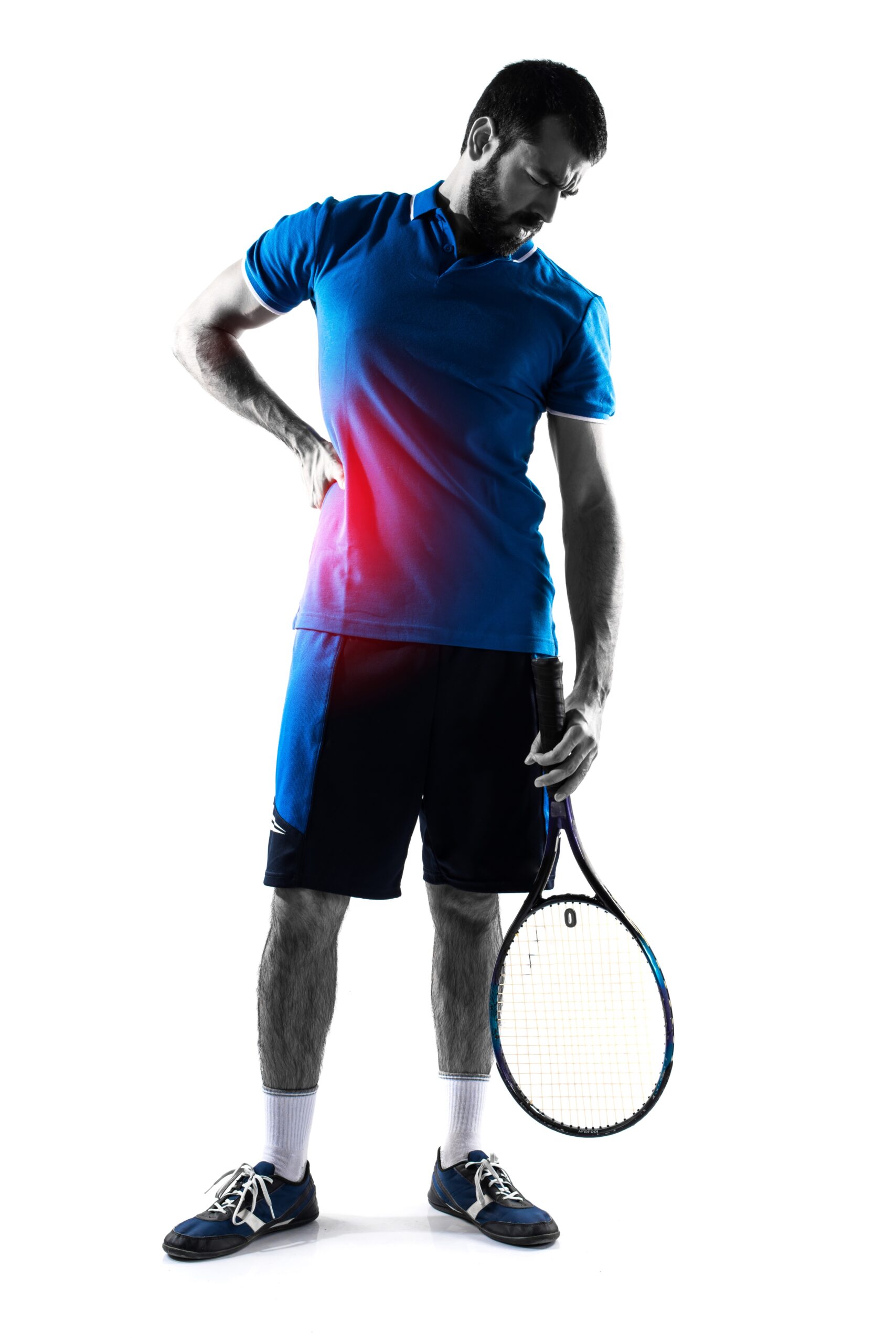
Sports injuries are common among athletes, fitness enthusiasts, and even individuals involved in regular physical activities. While many minor injuries heal with rest and basic care, some require professional medical attention. Understanding when to consult an orthopaedic specialist can prevent long-term complications and ensure faster recovery.
With access to advanced orthopaedic care in Bangalore, patients today can benefit from specialized sports injury diagnosis, treatment, and rehabilitation programs designed to restore strength and mobility.
Common Types of Sports Injuries
Sports injuries can affect bones, muscles, ligaments, and joints. Some of the most common injuries include:
- Ligament tears such as ACL injuries
- Muscle strains
- Tendon injuries
- Dislocations
- Fractures
- Runner’s knee
- Shoulder injuries
These injuries may occur due to overuse, improper training techniques, lack of warm-up, sudden movements, or direct impact during sports activities.
Sakra IKOC Hospital provide specialized sports injury treatment supported by orthopaedic surgeons, physiotherapists, and rehabilitation experts.
Signs You Should See an Orthopaedic Specialist
While mild sprains and muscle soreness may heal with rest, certain symptoms require medical evaluation.
You should consult an orthopaedic specialist if you experience:
- Severe pain that does not improve with rest
- Swelling lasting more than a few days
- Limited joint movement
- Instability while walking or standing
- Visible deformity
- Difficulty bearing weight on a limb
Ignoring these symptoms can lead to chronic pain or long-term joint damage.
Early diagnosis helps determine whether the injury requires physiotherapy, medication, or surgical treatment.
Diagnosis of Sports Injuries
Orthopaedic specialists use a combination of physical examination and imaging tests to diagnose sports injuries accurately. These may include:
- X-rays
- MRI scans
- CT scans
- Ultrasound imaging
Accurate diagnosis is essential to identify ligament tears, cartilage damage, fractures, or muscle injuries.
Once the condition is diagnosed, doctors create a personalized treatment plan based on the severity of the injury.
Treatment Options for Sports Injuries
Treatment depends on the type and severity of the injury. Common treatment approaches include:
Rest and Medication
Minor injuries often heal with rest, ice therapy, compression, and anti-inflammatory medication.
Physiotherapy
Rehabilitation exercises help restore strength, flexibility, and joint stability. Physiotherapy plays a major role in preventing re-injury.
Minimally Invasive Procedures
Arthroscopy is commonly used to treat ligament injuries, cartilage damage, and joint problems with smaller incisions and faster recovery.
Surgical Treatment
Severe ligament tears, fractures, or joint damage may require surgical intervention followed by rehabilitation.
Modern orthopaedic treatment focuses on restoring function while minimizing recovery time.
Recovery and Rehabilitation
Rehabilitation is a crucial part of sports injury recovery. A structured physiotherapy program helps patients regain strength, balance, and coordination.
Recovery time varies depending on the injury:
- Minor muscle strain: 2–3 weeks
- Ligament injury: 6–12 weeks
- Post-surgical recovery: several months
Following medical advice and avoiding early return to sports reduces the risk of re-injury.
Preventing Sports Injuries
While not all injuries can be prevented, certain precautions can reduce the risk:
- Proper warm-up and stretching
- Wearing appropriate sports gear
- Strength training and conditioning
- Maintaining correct posture and technique
- Gradually increasing workout intensity
Preventive care is especially important for athletes and individuals involved in high-impact sports.
Conclusion
Sports injuries can affect mobility and performance if not treated properly. Knowing when to see an orthopaedic specialist ensures timely treatment and safe recovery. From diagnosis to rehabilitation, modern orthopaedic care helps patients return to their active lifestyle with confidence.
Healthcare centres in Bangalore provide comprehensive sports injury care, including physiotherapy, minimally invasive procedures, and surgical treatment when necessary.
If you experience persistent pain, swelling, or limited movement after a sports injury, consulting an orthopaedic specialist early can help prevent complications and support faster healing.


